
Introduction of Fully Automatic Grape Juice Beverage Production Line Equipment – Fresh Juice Beverage Processing Machine Manufacturer
Grape juice beverages are drinks made by pressing fresh grapes. The juices from different varieties of grapes contain various vitamins and other nutrients, making them considered a healthy beverage. Common types of juice include: apple juice, grapefruit juice, kiwi juice, mango juice, pineapple juice, watermelon juice, grape juice, cranberry juice, orange juice, coconut juice, lemon juice, cantaloupe juice, strawberry juice, and papaya juice. The fully automatic grape juice beverage production line is a highly automated production system capable of processing grape raw materials into grape juice beverages of various flavors and types, and is widely used in food and beverage manufacturing enterprises.
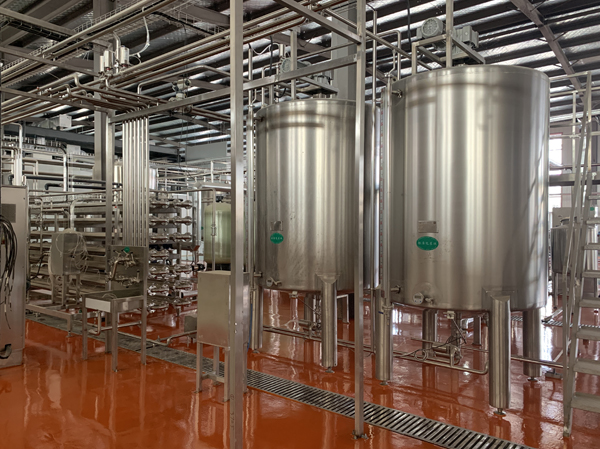
Main Equipment of Grape Juice Production Line
- Grape Sorting and Washing: Drum-type or spray-type washers are used to remove dirt, impurities, and pesticide residues from the surface of the grapes. Simultaneously, rotten or spoiled grapes are removed manually or with the aid of automated sorting equipment.
- Crushing and Juicing: Grapes are crushed into small pieces using a crusher. Common juicing equipment includes screw presses and piston presses, which efficiently extract juice and separate the pulp.
- Filtration and Clarification: Coarse filtration is performed using equipment such as plate-and-frame filter presses and diatomaceous earth filters. The juice is then further clarified using centrifuges or by adding clarifying agents to remove fine suspended particles.
- Blending: In blending tanks, additives such as sugar, acids, flavorings, colorants, and stabilizers are precisely added according to the product formula and thoroughly mixed using agitators.
- Sterilization: Utilize Ultra-High Temperature (UHT) or pasteurization equipment to eliminate microorganisms and bacteria in the juice, ensuring product safety and shelf life.
- Filling: Depending on the packaging type, equipment such as glass bottle fillers, can fillers, and plastic bottle fillers is used to fill the juice into the appropriate containers under sterile conditions and seal them.
- Packaging: Apply labels to the containers using a labeling machine, print information such as production dates and expiration dates using an inkjet printer, then pack the products into cartons with a case packer and stack them with a palletizer for easy transportation and storage.
Features of the Fresh Grape Juice Production Line
- High degree of automation: Reduces manual labor, improves production efficiency and product quality consistency, and lowers production costs.
- Adjustable Production Capacity: Production capacity can be flexibly adjusted according to market demand by increasing or decreasing the number of machines or adjusting production speeds.
- Product Diversification: By simply replacing certain equipment or adjusting process parameters, the line can produce juice beverages of different types, flavors, and packaging formats.
Maintenance and Management
- Routine Maintenance: Perform daily maintenance tasks such as cleaning, lubrication, and tightening of equipment, and regularly replace wear-and-tear parts to ensure proper operation.
- Staff Training: Operators must be familiar with equipment operating procedures and maintenance protocols, and strictly adhere to operating guidelines during production to minimize equipment malfunctions and product quality issues.
- Quality Control: Conduct rigorous quality inspections of raw materials, semi-finished products, and finished goods throughout the production process to ensure products meet relevant standards and requirements.