
tea beverage production line: detailed differences in sterilization processes between raw and ripe tea
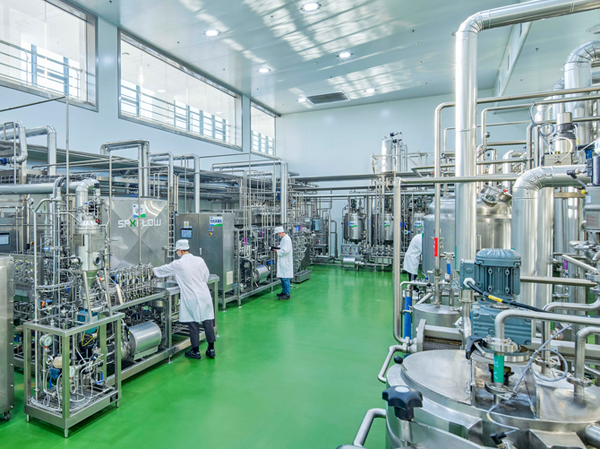
The hardware of the equipment is universal (UHT ultra-high temperature instantaneous sterilization machine, plate/tube sterilization, aseptic filling machine, HPP cold sterilization equipment can all be used), the difference lies in the sterilization temperature? Time curve, process objectives, key control points, and changes after sterilization.
1、 The main objectives of the two sterilization designs are different
- Sterilization purpose of raw tea beverages
Kill microorganisms: while maximizing the protection of fragrance and inhibiting the oxidation and browning of tea polyphenols.
There are many active substances (catechins) in raw tea soup, which are prone to discoloration, loss of aroma, and increased bitterness when heated; Sterilization principle: Reduce heat damage during short periods of high temperature. - Sterilization purpose of ripe tea beverages
Just need to kill microorganisms and ensure shelf life; Mature tea soup has strong thermal stability, and tea brown pigment and tea polysaccharides have good heat resistance; The key is to ensure thorough sterilization, control no burnt smell, and low thermal sensitivity.
2、 Comparison of Conventional UHT Sterilization Parameters (Commonly Used in Industrialization)
Craft project: Raw tea beverages and ripe tea beverages
Sterilization method: Ultra high temperature short-term sterilization; UHT, Larger fault tolerance range
Typical sterilization temperature: 125-130 ℃; 130~135℃|
Insulation time: 4-8 s; 8-15 s
Cooling requirements: rapid rapid rapid cooling, quickly drop to room temperature/filling temperature after exiting the sterilization section | relatively loose cooling rate requirements
Dissolved oxygen control before sterilization: strict vacuum degassing and nitrogen protection (the lower the oxygen content before sterilization, the better); The degassing requirements are moderate, mainly to remove foam
Reason explanation
Raw tea: Prolonged high temperature results in the soup color changing from golden brown to brownish brown, the floral fragrance becoming lighter, and the cooked/stewed flavor emerging. Therefore, the holding time should be shortened as much as possible;
Mature tea: It has undergone pile fermentation, can withstand high temperatures, and is safer to sterilize by extending the insulation time appropriately. It is not easy to spoil and the color of the soup changes very little.
3、 High end cold sterilization solution (HPP high-pressure sterilization)
- High end raw tea products
Suitable for HPP non thermal sterilization (400-600 MPa), with almost no heating, retaining natural fragrance, unchanged soup color, and avoiding thermal deterioration; The disadvantage is high cost and can only be used for cold chain products. - Ripe tea
HPP is rarely used; Mature tea has sufficient thermal stability, making UHT more cost-effective; Only high-end non additive health tea will consider cold sterilization.
4、 Differences in Quality Changes Before and After Sterilization
Risk points of raw tea after being heated
- High temperature long-term killing → oxidation of catechins, deepening and darkening of soup color;
- Generate a stewed and cooked soup flavor, while losing the fresh and refreshing floral aroma;
- Intensify the trend of “cold and turbid”, making it easier to settle during later storage;
Key control points: reducing dissolved oxygen, shortening heating time, and rapid cooling
Risk points of ripe tea after heating
- High temperature/too long insulation → slight burnt or charcoal smell;
- The soup color will not change significantly, only slightly deepen;
- Tea polysaccharides are heat-resistant and retain a rich and mellow taste;
Key point of control: prevent local overheating and coking
5、 Difference between post sterilization filling and pipeline process
- Raw tea
After sterilization, take the sterile pipeline and isolate the air throughout the process;
The filling environment strictly controls residual oxygen;
High temperature insulation storage is not allowed. Fill as soon as possible after sterilization. - Ripe tea
The requirements for residual oxygen are not so strict;
Short term insulation and temporary storage have little effect on flavor;
The difficulty of production control is lower, and there are fewer defective products.
6、 Precautions for actual production line switching (switching the same sterilization equipment)
- Ripe tea → raw tea: It must be thoroughly cleaned with CIP to eliminate the residual dark theaflavins on the pipe wall and prevent the raw tea from color mixing;
- Sir’s tea → ripe tea: slightly lower cleaning requirements;
- Adjust the sterilization temperature again when changing products? The time curve cannot be used interchangeably for two types of tea with one set of parameters.
7、 Summarize the differences
Raw tea: afraid of heat and oxidation, sterilization requires “short time, rapid cooling, low oxygen, to protect the fragrance and golden color;
Mature tea: Good heat resistance and stability, ensuring thorough sterilization before sterilization, with a more flexible time and temperature range, making the process easier to control.