
What is the difference between the production process of ripe tea and raw tea in a tea beverage production line?
Tea beverage: detailed differences in the blending process between raw tea and ripe tea
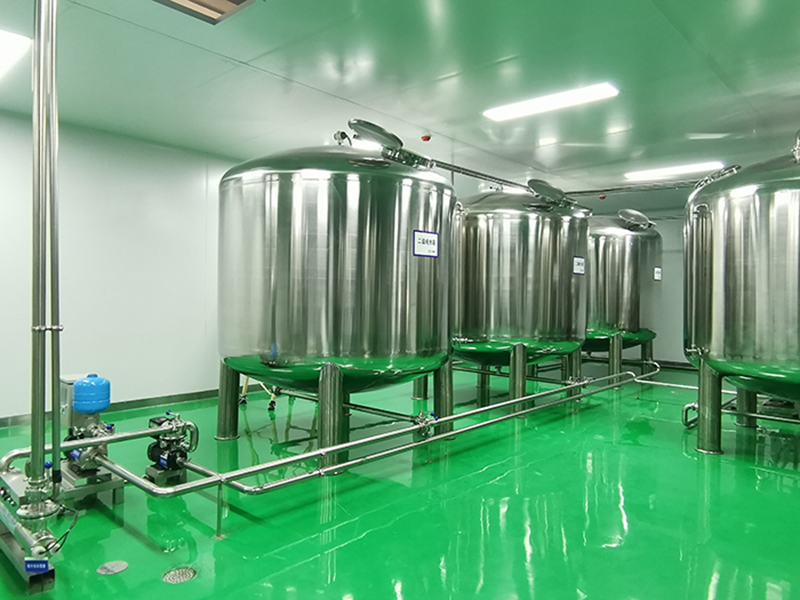
Prerequisite: After the extraction solution is filtered and cooled, it enters the mixing tank. The core control of mixing includes pH, color protection system, sweetness system, buffering salt, flavor supplementation, and precipitation control. The formula logic of the two is completely different.
Differences in overall allocation ideas
The goal of raw tea blending is to maintain its fragrance, inhibit oxidation and discoloration, reduce bitterness, and control post cold turbidity; Main focus is on refreshing freshness
The goal of ripe tea blending is to enhance the mellow and sweet taste, conceal slight aftertaste, and stabilize the reddish brown color of the soup; Main focus is on smooth and thick texture
PH control
- Raw tea beverages
Target pH: 4.0-4.6 (slightly acidic)
Purpose: To inhibit the oxidation browning of tea polyphenols, reduce bitterness, extend shelf life, and maintain color stability
Regulators: citric acid, malic acid; Add in small amounts, without highlighting the sour taste - Mature tea beverages
Target pH: 4.5-5.2, slightly higher than raw tea
Low acidity can damage the rich and mellow taste of ripe tea, making it prone to sourness; Moderate pH preserves the smooth texture brought by tea polysaccharides
Generally, less acidity is added and only minor adjustments are made to mask the mixed flavors
Color protection antioxidant system
Raw tea (must undergo antioxidant protection)
- Common additives: L-ascorbic acid (vitamin C), sodium isoascorbate
- Timing of addition: Add the tea soup as soon as possible after pouring it into the mixing tank to isolate oxygen and prevent the golden soup from turning red or dark
- Cooperation method: Nitrogen gas is used to cover and seal the mixing tank, reducing air contact and oxidation
- Taboo: Do not stay at high temperatures for a long time to prevent discoloration caused by vitamin C decomposition
Mature tea (with low antioxidant requirements)
After fermentation, tea polyphenols have been extensively converted into theaflavins, and their color is stable
2. Generally, adding vitamin C is not mandatory; only a small amount is added to high-end products to delay quality degradation
3. The key is not to prevent browning, but to avoid the soup color being too dark and turning black
Sweetness and Sweetness Matching Scheme
raw tea
- Flavor direction: Clear and sweet, low sugar/sugar free, not masking the tea aroma
- Sweet taste options: white sugar, fruit glucose syrup, erythritol, steviol glycosides; Low sweetness
- Matching logic: A small amount of sugar is used to neutralize the bitterness, but cannot suppress the fragrance of flowers and fruits
- Few essence are added, focusing on natural tea fragrance
ripe tea
- Flavor direction: Warm, sweet and mellow, amplifying the natural jujube aroma, glutinous aroma, and caramel sweetness
- Sweet taste selection: white sugar, brown sugar flavor syrup, malt syrup; Can be used for low to medium sugar
- Value added formula: glutinous rice aroma extract, red date juice, and black sugar flavor can be added to enhance the characteristic aroma of ripe tea
- Sugar free ripe tea relies on the natural sweetness and smoothness inherent in tea polysaccharides
raw tea
Pain point: Tea polyphenols and caffeine are prone to forming a cold aftertaste, and low-temperature storage can produce flocculent precipitates
Common formulations: Sodium citrate (buffer salt), pectinase/tannase pretreatment, small amount of CMC? Na
Do not add too much colloid to avoid a greasy taste and loss of freshness
Buffer salt stabilizer anti precipitation additive
ripe tea
Large molecular substances have already degraded during the pile stage, with low precipitation risk
Low or even no stabilizer usage; Usually, only a small amount of sodium citrate is used to fine tune the taste and improve the smoothness of the entrance
If the quality of the raw materials is poor and the odor is strong, a small amount of β – cyclodextrin can be used to embed impurities
Adding logic of essence and flavor accessories
- Raw tea
Principle: light fragrance, natural tea essence, make up for the fragrance, chestnut fragrance and flower fragrance lost by extraction; Extremely low addition amount
Do not add other heavy flavored ingredients (such as red dates, black sugar, etc.) - Ripe tea
Selectively add: cooked tea flavor base, glutinous essence, jujube flavor, caramel flavor
Suitable for compound blending: combined with goji berry, barley, and grain extracts, taking the route of health tea drinks
Differences in temperature adjustment stirring and degassing processes
- Raw tea
Mixing temperature: 40-60 ℃ for medium and low temperature mixing
High degassing requirements: Vacuum degassing removes dissolved oxygen to prevent subsequent sterilization and discoloration - Ripe tea
The mixing temperature can be relaxed to 60-70 ℃
The degassing requirement is lower than that of raw tea, and foam can be removed
Comparison of online detection indicators after deployment completion
Testing items: Raw tea blending point and ripe tea blending point
pH:4.0–4.6; 4.5–5.2
Soluble solids Brix: 0.3-1.0 ° Bx (sugar free); 0.5~1.5 °Bx|
Chromaticity: golden and translucent; Bright reddish brown
Sensory: Clear fragrance, slightly astringent, and sweet aftertaste; Rich and smooth, without obvious bitterness.
9、 Points to note when changing production lines (switching raw/ripe tea from the same set of blending tanks)
- After producing ripe tea and regenerating it to produce tea: CIP must be thoroughly cleaned to avoid residual theaflavins, color and taste interference
- Sir, ripe tea after tea: The cleaning requirements are slightly lower, but residual antioxidant agents need to be cleared