
The quality of incoming fruits fluctuates greatly, with rotten fruits, moldy fruits, and immature green fruits mixed together, resulting in moldy and bitter flavors. The final fruit juice has abnormal flavor, batch instability, and in severe cases, the risk of mold toxins may occur. Below is a complete plan for source control → workshop pretreatment process → online elimination → process remediation → finished product control, while also sorting out the causes of faults and corrective measures, suitable for practical use in the workshop.
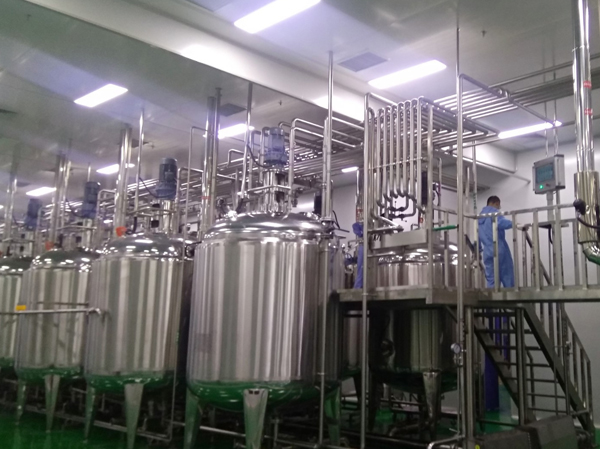
Reasons for Problems in Juice Making Machines
- Poor control of fresh fruit harvesting: varying degrees of maturity, damaged or fallen fruits during harvesting; The rainy weather in the orchard leads to fruit mold.
- Rough selection of incoming materials: Suppliers mix materials without grading, and incoming materials are mixed in whole baskets with green and rotten fruits.
- Low efficiency and missed detections in manual fruit picking: The conveying speed is too fast, workers are tired, and tiny mold spots cannot be seen.
- Broken fruit before enzyme inactivation: mold and bitter substances are directly released into the juice, and subsequent sterilization cannot remove odors (flavor substances and mold metabolites are thermally stable and cannot be eliminated by heating).
Key point: Once the moldy and bitter flavors are squeezed into the juice, it is difficult to completely remove them through sterilization, filtration, and blending at the back end, and can only be intercepted at the front end.
Front end material control of juice production line
- Develop standards for the purchase of fresh fruits
-Definition of rejection criteria: direct rejection of moldy or rotten fruits exceeding 5% of the surface, white haired green mold, and ground fermented fruits; Set an upper limit for the proportion of green fruits (e.g. ≤ 3%).
-Sampling and testing of each vehicle upon arrival: sensory inspection (odor, decay rate)+batch retention samples. Unqualified vehicles can be returned or isolated separately. - Supplier constraint contract: It stipulates that excessive rotten fruit will be deducted, forcing upstream sorting.
- Raw materials are stored in separate areas: qualified fruits, fruits awaiting inspection, and defective fruits are isolated and strictly prohibited from being mixed into the production line.
Multi level removal process for pre-treatment in juice making machine workshop
- Improve pre cleaning coarse selection
-During the unloading and loading stage, a picking platform is set up to directly pick out large rotten fruits;
-Increase spray pre wetting, making it easier for mold spots to be recognized by the naked eye when wet. - Brush cleaning and float cleaning grading
-Floating washing tank: If the proportion of bad fruits is smaller, they will float, and if the green and hard fruits sink, the floating fruits will be preliminarily separated; Floating bad fruits are separately salvaged and discharged;
-Brushing can remove surface mold spores and soil, but it cannot save internal rotten fruits. - Manual picking of fruits on the conveyor belt (core workstation optimization)
-Reduce the speed of the picking belt line; Widen the conveyor belt to reduce fruit stacking; Single-layer fruit spreading;
-Adequate workstations and reasonable lighting (white light+side light, mold spots are more likely to appear); Regular job rotation to avoid visual fatigue;
-Set up a dedicated collection chute for defective fruits and easily remove them.
Measures to reduce the spread of odors in the process of juice making machines
- Control the crushing process
Once the bad fruit is broken, bitterness and mycotoxins are released into the pulp. The picking process must be placed before crushing, in the order of feeding → cleaning → picking → crushing, and cannot be reversed. - Timely enzyme inactivation
Fast high-temperature enzyme inactivation after crushing, inhibiting secondary oxidative bitterness; But it cannot eliminate the odor already caused by moldy fruit. - Separate bitter residue
After pressing, add fine filtration and centrifugation to remove residue, reducing the amount of fruit skin, seeds, and rotten pulp fragments;
If the moldy taste is mild, activated carbon can be used for adsorption (use with caution). However, the disadvantage is that it will take away the fruity aroma at the same time, which can easily cause a dull flavor. It is necessary to conduct a small test to determine the amount to be added.
It is strictly prohibited to rely on activated carbon to cover up the defects of severely moldy raw materials, which is a quality remedy rather than a conventional solution.
Production process monitoring and risk interception
- Online sensory sampling: take samples every 30 minutes after juice extraction and before mixing, and immediately stop the machine to check the incoming materials in case of moldy and bitter odor;
- Establish isolation batches: Intermediate products with abnormal flavors are isolated and evaluated separately, and are prohibited from entering sterilization and filling;
- Record the source of each batch of raw materials for easy traceability of abnormalities.
Brief Rectification Comparison Table for Juice Making Machines
|Phenomenon | Main reasons | Improvement measures|
|Moldy taste in fruit juice | Metabolites introduced by broken fruit | Rejected upon incoming inspection; Single layer fruit picking after cleaning; Optical sorting and removal|
|Bitter and heavy fruit juice | A large number of green fruits, rotten fruits, and broken fruit seeds | Control maturity; Increase the gap between broken fruits to reduce seed breakage; Remove green fruits|
|Batch flavor fluctuates | There is a large difference in the quality of each vehicle’s raw materials | Each batch is individually pressed, concentrated, and then homogenized and blended to stabilize the flavor|
Important risk warnings for juice making machine
Toxins such as streptomycin produced by moldy fruits are resistant to high temperatures and cannot be decomposed by UHT sterilization. Once a large amount of moldy fruit enters the juice, the product can only be scrapped and flavor defects cannot be masked through later blending. The core of quality control is pre interception.